Have Any Questions?
(587) 855-4559

Post Surgical Rehabilitation Physiotherapy Edmonton

Supporting Recovery, Restoring Movement, and Rebuilding Confidence After Surgery

Book An Appointment

Let’s Take the Next Step Together

Why Physiotherapy Is Important After Surgery

Guiding your recovery with personalized movement plans for a stronger tomorrow.

Post Surgical Rehabilitation Physiotherapy Edmonton is an important part of the recovery process after surgery. Surgery is often only one step in recovery. What follows is equally important: helping your body adapt, regain strength, and return to functional movement. At our clinic, we provide structured post-surgical care to support healing while promoting safe, progressive mobility. Post-Surgical Rehabilitation Physiotherapy Edmonton focuses on guiding patients through each phase of recovery with clear goals and measurable progress.

Contact Us
(587) 855-4559

What Is Post-Surgical Rehabilitation Physiotherapy?

Post surgical rehabilitation physiotherapy is a guided treatment process that begins after a surgical procedure to help the body recover efficiently and safely. It deals with the physical changes that take place during the healing process following surgery, including decreased mobility, weakened muscles, stiff joints, swelling, and changed patterns of movement.

Our physiotherapists design care plans based on the type of surgery, your healing stage, and your functional goals. Postoperative rehabilitation is not only about recovery of the surgical site, but also about restoring balance, coordination, and confidence in movement.

We provide Post Surgical Rehabilitation Physiotherapy Edmonton to support patients through both early and later stages of recovery, helping them transition from limited mobility to active participation in work, recreation, and daily life.

Why Post-Operative Physiotherapy is Essential

Many patients wonder why they cannot simply rest at home until they feel better. While rest is necessary for healing, inactivity can cause circulatory issues, muscle atrophy, and joint stiffness. Our therapists implement active recovery strategies to mitigate these risks.

1
Circulation Management:
Early movement helps prevent blood clots and reduces swelling.
2
Scar Tissue Management:
We use manual techniques to prevent scar tissue from restricting your range of motion.
3
Muscle Activation:
Surgery often "shuts down" certain muscles; we provide exercises to wake them up.
4
Pain Modulation:
We offer non-pharmacological methods to manage discomfort during the healing phase.

Common Conditions We Address Post Surgery

Our clinic offers thorough assistance for a variety of procedures. Post-surgical physiotherapy is applicable to almost any orthopedic or soft tissue surgery. We offer assistance for:

Total Joint Replacements

Whether you have had a total hip, knee, or shoulder replacement, the new joint requires specific movement patterns. We help you navigate the initial weight-bearing restrictions and progress toward full mobility.

Ligament and Tendon Repairs

After procedures like ACL reconstruction, rotator cuff repair, or Achilles tendon surgery, the graft or repair site is vulnerable. Our postoperative orthopedic rehabilitation focuses on protecting the surgical site while gradually introducing tension to strengthen the area.

Spinal Surgeries

For those recovering from discectomies, laminectomies, or spinal fusions, core stability is the priority. Our physiotherapists guide you through safe movements that protect your spine while reducing nerve irritation.

Fracture Internal Fixations

If you have had hardware, such as plates, screws, or rods, installed after a break, we help you regain joint range of motion above and below the fracture site, ensuring a return to functional loading.

Meniscus and Cartilage Procedures

Surgeries such as meniscectomies, meniscus repairs, or microfracture procedures require careful weight-bearing management. We help manage swelling and restore joint mechanics to prevent future degenerative changes.

Nerve Decompressions and Repairs

Following surgeries like carpal tunnel release, cubital tunnel release, or peripheral nerve repairs, our therapists work on neural gliding and desensitization. We provide exercises to help restore motor function and manage altered sensations like tingling or numbness.

Shoulder Stabilization and Labral Repairs

If you have undergone surgery for chronic instability or a labral tear (such as a Bankart or SLAP repair), we focus on restoring the delicate balance between mobility and stability in the glenohumeral joint.

Foot and Ankle Reconstructions

From bunionectomies to complex ankle fusions or ligament reconstructions, we provide gait training and progressive loading strategies to ensure you can walk comfortably and return to your preferred footwear.

Abdominal and Pelvic Surgeries

Recovery from major abdominal procedures or pelvic floor surgeries often involves retraining the deep core muscles. We provide gentle strategies to manage scar tissue tension and restore intra-abdominal pressure regulation.

Post-Amputation Rehabilitation

For patients who have undergone limb amputations, we provide tailored care focused on residual limb shaping, desensitization, and prosthetic training to maximize functional independence.

Navigating the Phases of Postoperative Care

Recovery is a marathon, not a sprint. We divide your care into distinct phases to ensure safety and steady improvement.

1
Phase 1: Protection and Healing
Immediately after the postoperative period, the goal is to protect the surgical site. We focus on controlling inflammation, maintaining the health of surrounding joints, and performing very gentle movements.
2
Phase 2: Restoring Range of Motion
Once the initial inflammatory phase subsides, we provide interventions to regain flexibility. Our therapists use specific techniques to help you achieve the range-of-motion targets set by your surgeon.
3
Phase 3: Strengthening and Loading
As the tissues become more stable, we begin to introduce resistance. This phase is crucial for ensuring that the muscles can support the joint during activity and prevent future injury.
4
Phase 4: Return to Activity
The final stage of postoperative orthopedic rehabilitation involves sports-specific or job-specific drills. We ensure your body can handle the agility, power, or endurance required for your specific lifestyle.

Our Approach to Postoperative Orthopedic Rehabilitation

Every surgery is unique, and every patient’s body responds differently to the trauma of an operation. We provide a tailored experience that respects your biological timeline. At Next Step Physiotherapy, we utilize a diverse toolkit of evidence-based methods to ensure your recovery is thorough and safe.

Detailed Initial Assessment

During your first post-surgery visit, our physiotherapists review your surgical reports and current physical condition. We check for swelling, range of motion, strength, and any neurological changes. This allows us to create a roadmap for your recovery.

Manual Therapy Techniques

Our therapists use hands-on techniques to mobilize stiff joints and address soft-tissue restrictions. This may include gentle joint glides or myofascial release to improve the environment around the surgical site.

Therapeutic Exercise Programs

We offer specific exercise prescriptions that evolve as you heal. Initially, these may be simple isometric contractions, but they will progress to functional strength training and balance drills to ensure you can handle the demands of your environment.

Neuromuscular Re-education

Surgery can temporarily disrupt the communication between your brain and your muscles. We use specific movement patterns and feedback techniques to "re-wire" these pathways, ensuring your muscles fire in the correct sequence and with the appropriate force.

Scar Tissue and Soft Tissue Mobilization

As incisions heal, scar tissue can become restrictive or even painful. Our therapists provide customized massage and mobilization techniques to break up adhesions, ensuring the underlying tissues can slide and glide freely during movement.

Gait and Mobility Training

For those recovering from lower-limb procedures, relearning how to walk correctly is vital. We provide gait analysis and training to help you transition from assistive devices, like walkers or crutches, to a natural, symmetrical walking pattern.

Intramuscular Stimulation (IMS)/Dry Needling

When muscles become chronically tight or "locked" after surgery, we may use dry needling techniques. This helps release deep muscle tension and can be particularly effective in managing referred pain or persistent stiffness around the surgical site.

Blood Flow Restriction (BFR) Training

BFR allows us to help you gain muscle strength using very light weights. By safely restricting blood flow to the working muscle, we can mimic the effects of high-intensity training without putting undue stress on a healing joint or graft.

Proprioception and Balance Training

Joint surgeries often affect your "position sense." We incorporate balance boards, foam pads, and single-leg drills to retrain your body's ability to stabilize, which is a critical step in preventing future falls or reinjury.

Modalities for Pain and Inflammation

To manage the physical stress of the post-operative period, we offer various modalities, including:

  • Electrical Stimulation (TENS/NMES): To reduce pain signals and assist in muscle contraction.

  • Therapeutic Ultrasound: To promote deep tissue healing and improve local circulation.

  • Cryotherapy: Using controlled cold application to manage acute swelling and inflammation.


Progressive Resistance and Functional Loading

As you progress through the later stages of recovery, our therapists transition your care toward functional loading. We provide exercises that mimic your specific daily requirements, whether that is lifting a child, carrying groceries, or returning to a high-demand job, to ensure you are fully prepared for life outside the clinic.

Restoring Your Quality of Life After Surgery

The path to a full recovery requires patience, discipline, and the right guidance. At Next Step Physiotherapy, we are committed to helping you navigate the challenges of the post-operative period. By utilizing structured Post Surgical Rehabilitation Physiotherapy Edmonton, we ensure that your body heals with the strength and flexibility needed for the long term. 

Our goal is to help you return to the activities you love with confidence. If you have a surgery approaching or are currently in the healing phase, reach out to us to begin your journey toward functional restoration. Successful recovery starts with a plan. Connect with us to discuss your postoperative orthopedic rehabilitation strategy before your surgery date so you can head into your procedure with peace of mind.

Meet Our Physiotherapists

Giri

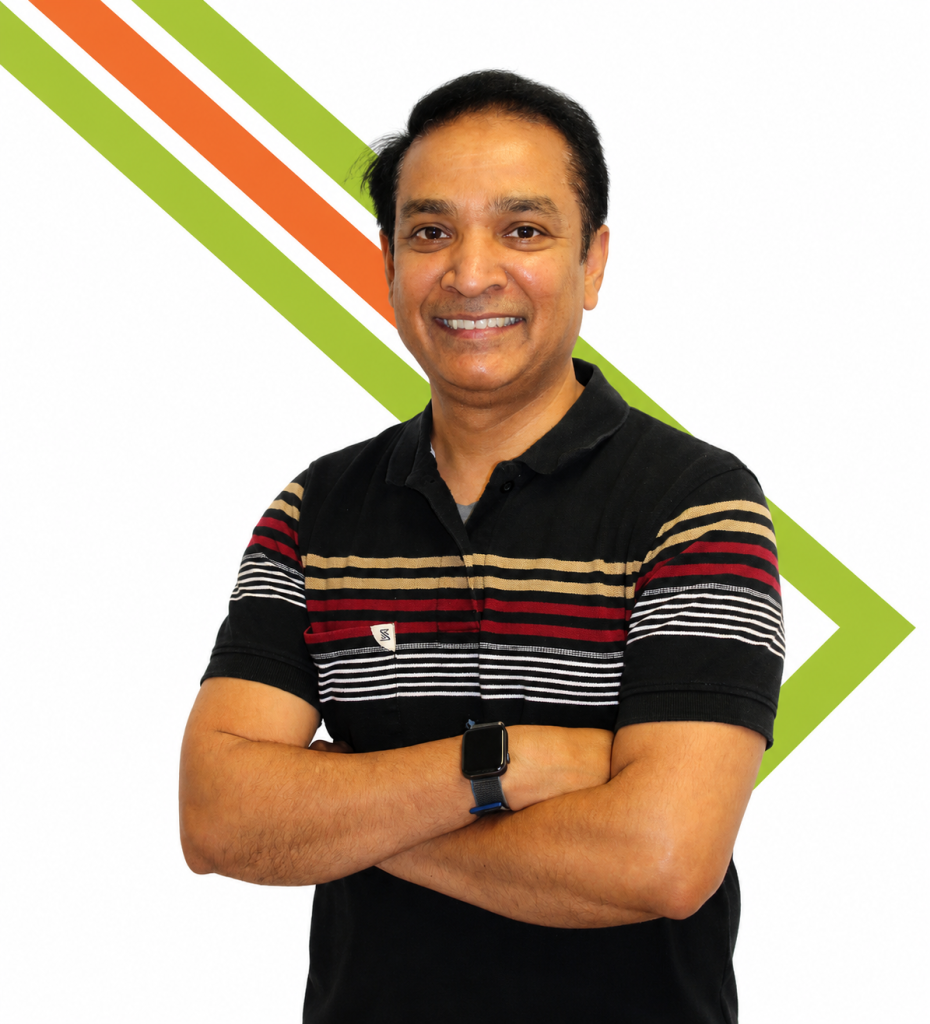
Giri Srinivasan

Registered Physiotherapist

Giri brings over 25 years of experience in orthopaedic and neurological rehabilitation across hospitals and private clinics. His background in advanced spinal manipulation, acupuncture, Gunn’s Intramuscular Stimulation (IMS), and Functional Movement Assessment (FMS/SFMA) supports patients recovering from joint replacements, spinal procedures, ligament repairs, and other orthopaedic surgeries. He is certified in Functional Capacity Evaluation (FCE), Cognitive Functional Therapy, Graded Motor Imagery for chronic pain management, and the Progressive Goal Attainment Program (PGAP), which are helpful for individuals experiencing prolonged recovery after surgery. His training in vestibular rehabilitation and concussion management also supports patients recovering from neurological or head-related procedures.
Jaiganesh

Jaiganesh Ravindra Babu

Registered Physiotherapist

Jaiganesh graduated with a Bachelor’s degree in Physiotherapy and has experience in acute care, neurology, orthopedics, and sports rehabilitation. His clinical background supports patients during early and progressive stages of post-surgical recovery. He incorporates manual therapy techniques and structured therapeutic exercise programs to improve joint mobility, muscle strength, and functional performance after procedures such as fracture fixation, tendon repairs, and joint surgeries.

Ankitha

Ankita Vashisht

Registered Physiotherapist

Ankita provides physiotherapy care focused on restoring movement, flexibility, and strength following surgical procedures. She works with patients across different stages of healing and develops individualized exercise-based rehabilitation plans to support safe functional recovery.

Rachit

Rachit Bhatia

Registered Physiotherapist

Rachit holds a Bachelor’s degree in Physiotherapy along with a Therapeutic Recreation Diploma. He has experience supporting adults and seniors with musculoskeletal and neurological conditions in clinical and long-term care settings. His approach emphasizes gradual strength rebuilding, balance training, and functional mobility exercises following surgeries such as joint replacements and spinal procedures.

FREQUENTLY ASKED QUESTIONS

FAQ

Early Post-Surgery Phase FAQs

How soon can physiotherapy begin after orthopedic surgery?

Physiotherapy may begin within days of surgery, depending on surgical protocols and tissue healing requirements. Early postoperative care focuses on protected movement, circulation, swelling control, and education to support safe mobility while respecting surgical restrictions.

Is movement encouraged immediately after surgery?

Yes, guided movement is often encouraged to prevent stiffness and circulation issues. Our physiotherapists introduce controlled, surgeon-approved movements that protect healing tissues while helping the body adapt safely during the early post surgery recovery phase.

How is swelling managed after surgery through physiotherapy?

Swelling is addressed using positioning strategies, gentle mobility exercises, muscle activation, and education on activity pacing. These approaches support fluid movement and reduce stiffness without stressing the surgical site during early postoperative rehabilitation.

Can physiotherapy help with post-surgical muscle inhibition?

Yes. After surgery, muscles may temporarily stop activating properly. Physiotherapy uses neuromuscular re-education and specific exercises to restore muscle engagement, which is essential for joint stability and functional movement during postoperative orthopedic rehabilitation.

What precautions are followed during early post-surgical physiotherapy?

Our physiotherapists strictly follow surgical guidelines related to weight-bearing, movement limits, and tissue healing timelines. Exercises are selected to avoid strain while supporting recovery, ensuring post operation rehabilitation progresses safely and predictably.

Recovery Progression & Healing

How does physiotherapy change as healing progresses?

As tissues heal, physiotherapy gradually progresses from protective mobility to strengthening, balance, and functional training. Each phase builds on prior gains, ensuring post-surgical rehabilitation supports both healing integrity and long-term movement capacity.

Why is range of motion training important after surgery?

Restricted movement is common after surgery due to swelling and immobilization. Range of motion exercises help prevent long-term stiffness, support joint nutrition, and restore functional movement patterns essential for daily activities during postoperative recovery.

How is strength rebuilt after surgical procedures?

Strength rebuilding begins with low-load activation and progresses to functional strengthening. Exercises are selected based on surgical type, healing stage, and movement demands, ensuring muscles support joints effectively during post surgery rehabilitation.

What role does balance training play in post-surgical rehabilitation?

Surgery often disrupts proprioception and coordination. Balance training helps retrain the nervous system, improving movement control and stability. This is particularly important during postoperative orthopedic rehabilitation to reduce compensatory strain and movement inefficiencies.

How is progress measured during post-surgical physiotherapy?

Progress is monitored through functional movement assessments, strength changes, range of motion improvements, and activity tolerance. These measures help our physiotherapists adjust care appropriately as post operative rehabilitation milestones are achieved.

Surgery-Specific Rehabilitation

How does rehabilitation differ after joint replacement surgery?

Joint replacement rehabilitation focuses on restoring joint mobility, rebuilding strength around the joint, and retraining functional tasks such as walking and transfers. Care progresses gradually to ensure joint protection while supporting independence during post surgery recovery.

What makes ligament surgery rehabilitation different from other procedures?

Ligament surgeries require precise progression to protect graft integrity. Physiotherapy emphasizes controlled loading, neuromuscular control, and movement retraining to support joint stability during postoperative orthopedic rehabilitation.

How is shoulder surgery rehabilitation structured?

Shoulder rehabilitation progresses from protected mobility to strengthening of stabilizing muscles. Physiotherapy addresses posture, shoulder mechanics, and coordinated movement to support overhead and functional use after postoperative shoulder surgery.

Does spinal surgery require a different rehabilitation approach?

Yes. Spinal post-surgical rehabilitation prioritizes posture, controlled movement, and gradual loading. Physiotherapy focuses on restoring functional mobility while minimizing unnecessary spinal stress during the post operation recovery process.

Long-Term Recovery & Function

Why is whole-body assessment important after surgery?

After surgery, movement changes can affect other joints and muscles. Whole-body assessment helps identify compensations, ensuring post-surgical rehabilitation addresses overall movement efficiency rather than focusing solely on the surgical site.

How does physiotherapy help with return-to-work readiness?

Physiotherapy incorporates task-specific exercises that reflect work demands. Strength, endurance, and movement tolerance are developed gradually to support safe return to occupational activities following post surgery rehabilitation.

Can post-surgical physiotherapy reduce future movement limitations?

Yes. Structured rehabilitation helps restore proper movement mechanics and muscle balance, reducing the likelihood of chronic stiffness or compensatory strain that may otherwise develop after post operative recovery.

How does physiotherapy support long-term joint health after surgery?

Physiotherapy promotes joint mobility, muscle support, and efficient movement patterns. These factors help joints tolerate daily loads more effectively, supporting sustained function beyond the immediate post-surgical rehabilitation period.

Planning & Expectations

How long does post-surgical rehabilitation typically last?

Duration varies depending on surgery type, healing response, and functional goals. Some individuals require several weeks, while others need extended care to support strength, coordination, and activity demands during postoperative orthopedic rehabilitation.

What role does patient participation play in recovery outcomes?

Active participation is critical. Consistent attendance, exercise adherence, and communication help physiotherapy programs remain effective, allowing post surgery rehabilitation to progress in alignment with healing and functional goals.
CLIENT TESTIMONIAL

What Our Patients Share

Patient experiences reflect the recovery journey. These testimonials highlight how our physiotherapy approach supports guided rehabilitation, functional progress, and confidence in movement after injury or surgery.